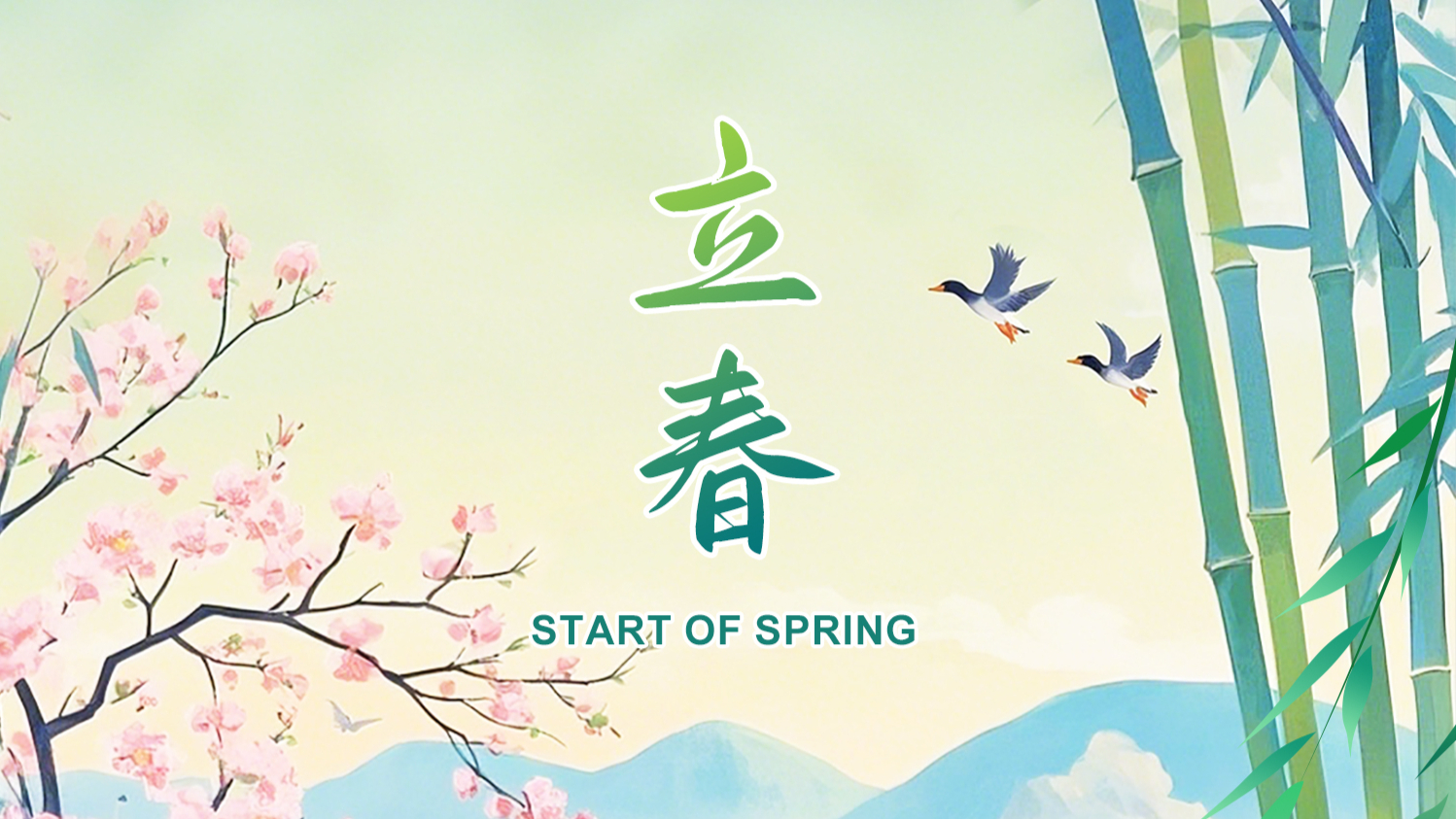
Start of Spring
Introduction
The Start of Spring is a significant concept in Chinese culture, marking the beginning of the spring season. It is the first of the 24 solar terms in the Chinese calendar, a system that is deeply intertwined with agricultural practices and seasonal changes. This period symbolizes a time of rejuvenation and renewal as the earth awakens from the dormancy of winter. The arrival of spring is often associated with warmer weather, longer days, and the resurgence of plant life. The saying "The whole year's work depends on a good start in spring" highlights the importance of this time for agricultural planning and activity in China, where farming has been a cornerstone of life for centuries.
History
The tradition of observing the Start of Spring dates back to ancient China, with its roots traced to the Spring and Autumn Period (770-476 BC). During this time, there were initially eight solar terms, which expanded to 24 by the Western Han Dynasty (206 BC-AD 24). This comprehensive system was developed based on meticulous observations of celestial bodies and seasonal changes. Over centuries, the Start of Spring has remained integral to Chinese culture, influencing both agricultural practices and cultural festivities across the nation.
Cultural Significance
The Start of Spring holds profound cultural importance in China, symbolizing not only the renewal of the natural world but also the beginning of a new agricultural cycle.
Numerous customs and traditions have evolved around this solar term, reflecting the diverse cultural tapestry of China. One such activity is kite-flying, a practice with a history spanning over 2,000 years. Kites are flown to celebrate the season and are believed to promote health and well-being. Another unique custom is balancing the egg, where people attempt to balance an egg upright, which is thought to bring good luck.
In certain regions, such as Northwest China's Shaanxi province, people wear fabric swallows made of colorful silk to symbolize prosperity and happiness. The tradition of "biting the spring" involves eating spring pancakes or spring rolls to mark the occasion. Another Shaanxi custom is making a Spring Ox using bamboo and paper, where the ox is decorated in colors predicting the year's agricultural fortunes.
Meteorological Aspects
Meteorologically, the Start of Spring represents a transition from the colder, dormant winter months to a period of warming temperatures and increasing daylight. It typically begins around February 4 and concludes by February 18, making it a precursor to longer days and milder weather. This solar term corresponds with several natural phenomena, such as the melting of river ice, the awakening of hibernating insects, and the burgeoning of plant life. These changes are indicative of the earth's gradual revival and are closely monitored by farmers to time their agricultural activities effectively.
Impact on Agriculture
The Start of Spring is critically important for agricultural planning in China, as it signals the beginning of the planting season. Farmers traditionally relied on the 24 solar terms to guide their activities, using its timing to decide when to prepare fields, sow seeds, and undertake other critical farming tasks. Proverbs and traditional knowledge passed down through generations provided valuable insights into agricultural practices, such as when to nurture silkworms or plant specific crops. While modern agriculture now incorporates scientific advancements, the solar terms continue to offer guidance and timing for various agricultural operations.
Influence in Art and Literature
The Start of Spring and the broader concept of the 24 solar terms have inspired numerous works of art and literature throughout Chinese history. Poets and artists have captured the beauty and significance of this time, often reflecting on themes of renewal and the harmonious relationship between humans and nature. For instance, Tang Dynasty poet Du Fu wrote about the seasonal changes and their impact on emotions and daily life.








